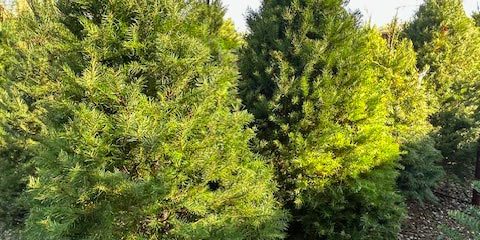
In Arizona we often have a lack of water and an excess of sun and heat. Making the right decision for privacy bushes is more than just appearance. The best choices involve consideration of heat resistance, drought tolerance and evergreen foliage together with being easy to manage. Let’s look at some of the best choices. read on to learn more.
Top Picks & How They Perform
Carolina Sapphire Cypress: With its green-blue appearance, it is very popular in the phoenix valley. Easy to plant and tolerant of heat, it can grow at many feet per year if well watered.
Recurve Ligustrum Privet: A very dense evergreen variety. it is important though it has strong airflow to prevent issues with fungus. However it grows very densely and therefore is ideal for screening and security.
Carolina Cherry Laurel Column: A classic look offering an ideal height, just make sure you choose a variety that is heat-tolerant and watch out for rot-zone moisture.
Green Giant Arborvitae: Although it is more common in cooler areas, as long as it has an adequate supply of water. it is also dense and fast-growing.
North Pole Arborvitae: This can work if it is planted partly in shade or with protection in the hottest areas. ne sure to look for browning issues in the summertime heat.
Emerald Green Arborvitae: A tighter and more compact variety that may do better in milder areas or as partial screening.
Nellie Stevens Holly: This is a popular evergreen option though it may take some quantity of regular watering in summer. However it does offer superb coverage.
Good Vibrations Privet: The fact it gives variegated makes it intriguing and interesting to look at. They can be more delicate under the extremes of heat so give them occasional afternoon shade and of course good soil drainage is of vital importance.
Native & Desert-Tolerant Alternatives
While many of the plants above are useful, you’ll often get better long-term success (and lower maintenance) by choosing shrubs adapted to Arizona’s climate. Below are a few that landscape designers and desert garden lovers often recommend:
-
Hop Bush (Dodonaea viscosa) — Evergreen, drought-tolerant, and flexible in size (you can prune it or let it grow more naturally). It’s considered a lower-maintenance alternative to oleander in the southwest. Desert Gardening 101
-
Oleander (Nerium spp.) — A traditional hedge plant with colorful blooms, good drought tolerance, and fast growth. However, it is toxic, so be careful if children or pets are around. Moon Valley Nursery+1
-
Ficus nitida (Indian Laurel) — Dense, fast-growing, and commonly used in Arizona for hedges. Requires pruning and root management (to prevent root damage), but excellent for tight privacy walls. Moon Valley Nursery+1
-
Wax Leaf Privet — A smaller hedge option, lower maintenance, and suitable for patios or near pools because it drops less litter. Moon Valley Nursery
-
Arizona Rosewood (Vauquelinia californica) — A native plant often used as a dense screen or shrub; once established, it’s quite drought tolerant. SummerWinds Nursery
Final Thoughts for AP Nursery Shoppers
- If your location is sunny, dry and hot, primarily think of desert adapted or native varieties first, like oleander, rosewood and hop bush.
- If you like formal and lush hedges you should account to invest in high quality irrigation, soil and pruning.
- Always verify the mature size of each and every bush so you are not constantly having to trim the foliage.
- Choosing the right plant and in the correct location is as important to its survival and will provide far less maintenance than choosing something that just thrives.

[/vc_column_text][/vc_column][/vc_row]